Spayghetti Dinner Fundraiser
Calling all cat champions, feline fans, and pasta people! Join us for an evening of saucy spaghetti, cheerful company, and compassionate care for community cats! Our Spay-ghetti Dinner Fundraiser at…
If you’ve seen an outdoor cat with the tip of one ear missing, that’s usually a good sign. Ear-tipping is how TNR programs mark a cat that has been fixed. It’s done while the cat is under anesthesia, and it helps everyone avoid trapping the same cat again later. People sometimes worry that ear-tipping is […]
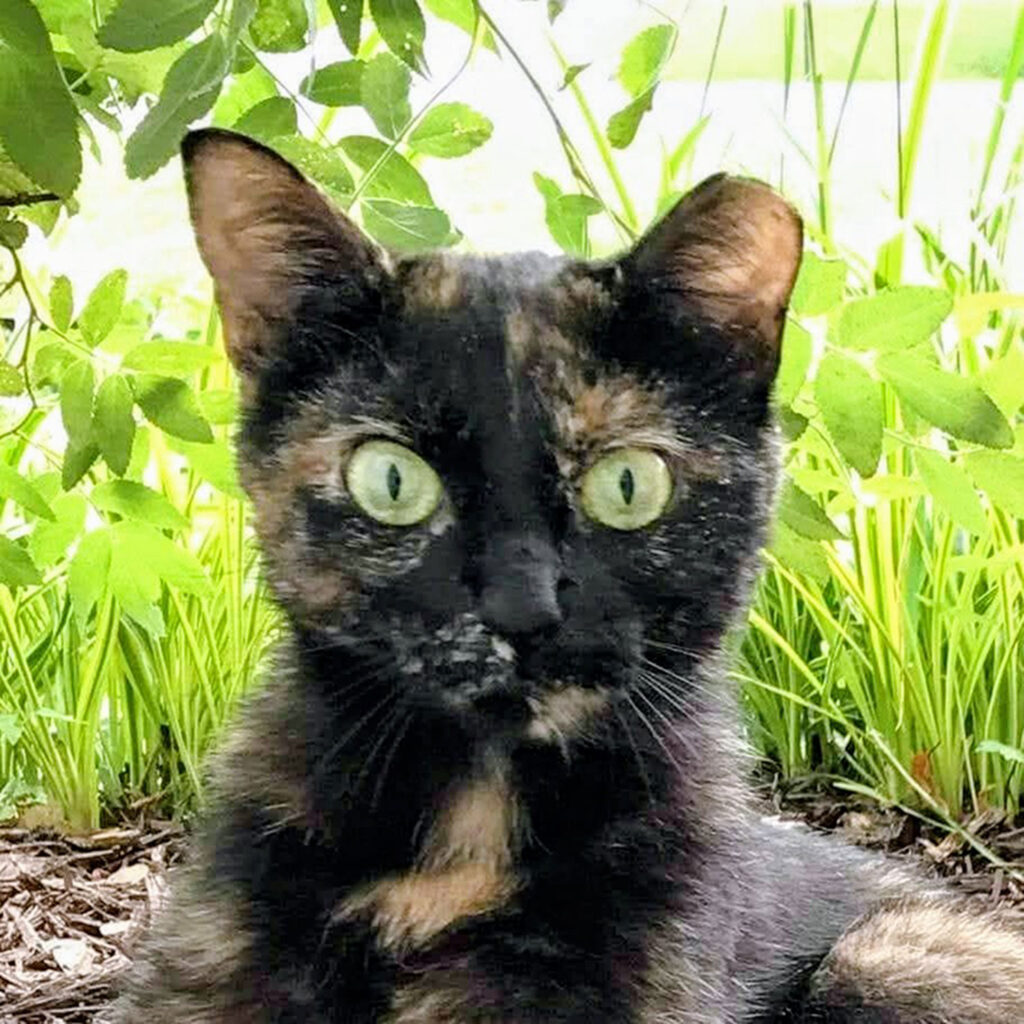
If you’ve seen an outdoor cat with the tip of one ear missing, that’s usually a good sign. Ear-tipping is how TNR programs mark a cat that has been fixed. It’s done while the cat is under anesthesia, and it helps everyone avoid trapping the same cat again later.
People sometimes worry that ear-tipping is painful or unnecessary. In reality, it’s one of the most practical things you can do for a community cat. It as a standard part of TNR because it reduces stress and risk over the cat’s lifetime.
Another common question is, “Why don’t we just remove the cats?” The issue is that removal usually doesn’t solve the problem. If you take cats out of an area but leave the food/shelter resources, new cats tend to move in. That’s part of why TNR focuses on stabilizing colonies instead of playing whack-a-mole.
Vaccines come up too, especially rabies. Most TNR programs include rabies vaccination, and clinics follow CDC guidance plus state/local requirements on vaccine protocols and timing.
Ear-tipping also helps animal control and shelters make better decisions. The ASPCA notes that recognizing ear-tipped cats supports return-to-field approaches instead of unnecessary shelter intake, which reduces crowding and helps welfare outcomes overall.
Locally, Cats Meow TNR exists because Montgomery County needs it and their impact is real. They’ve built volunteer and veterinary partnerships to scale services, and their year-over-year sterilization counts show how much difference consistent local work can make.
If you want to help in Clarksville, the best moves are pretty simple: report new cats early (before kitten season), support colony caregivers who manage feeding responsibly, donate toward spay/neuter costs, and share accurate information so more people understand what TNR actually does.