Spayghetti Dinner Fundraiser
Calling all cat champions, feline fans, and pasta people! Join us for an evening of saucy spaghetti, cheerful company, and compassionate care for community cats! Our Spay-ghetti Dinner Fundraiser at…
TNR is huge, but it’s not the whole story. If you want a colony to stay stable, you need basic management. Think of it like this: the surgery stops the growth, but the day-to-day routine is what keeps things calm and prevents new problems from popping up. A good colony routine starts with feeding the […]
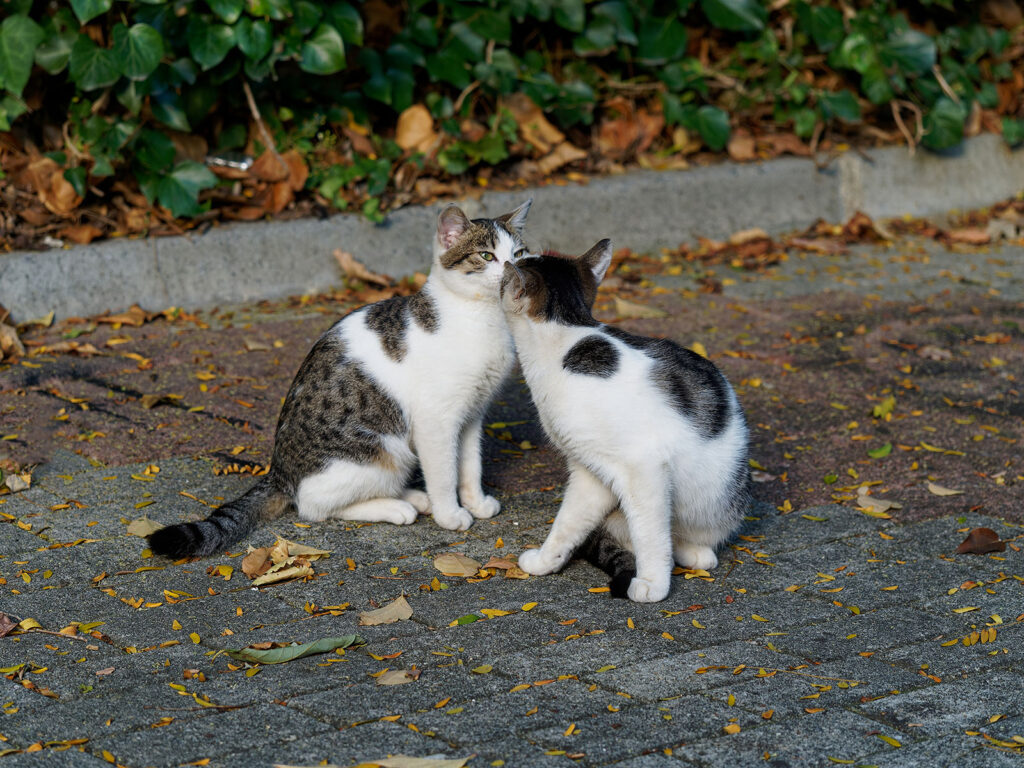
TNR is huge, but it’s not the whole story. If you want a colony to stay stable, you need basic management. Think of it like this: the surgery stops the growth, but the day-to-day routine is what keeps things calm and prevents new problems from popping up.
A good colony routine starts with feeding the right way. Consistent times, one or two feeding stations, and no food left out all night. This helps keep the area clean, reduces wildlife attraction, and makes cats easier to trap later if a new one shows up.
If you’re caring for multiple cats, keeping notes helps more than you’d think. You don’t need anything fancy, even a simple list: what each cat looks like, whether they’re ear-tipped, and any medical concerns you notice (limping, eye issues, coughing). It keeps you from guessing later.
Ear-tips are basically your “already handled” label. They tell you (and animal control, and shelters) the cat has already been through TNR. The ASPCA notes that recognizing ear-tipped cats helps reduce unnecessary shelter intake and supports return-to-field approaches.
Health-wise, no one expects colony cats to get perfect care, but basic prevention matters. Many TNR programs include vaccinations and parasite treatment depending on clinic protocols. There are established veterinary guidelines around core vaccines and rabies, and clinics typically follow those standards plus local law.
Now, the neighbor side: people are usually not mad about “cats.” They’re mad about noise, smell, and mess. Managed colonies are quieter, cleaner, and less chaotic. If you can explain that TNR reduces fighting, mating behaviors, and constant kitten cycles, a lot of tension disappears.
Cats Meow TNR has built its impact in Montgomery County through exactly this kind of practical, community-based work: stabilize the colony, support caregivers, and reduce the number of cats cycling through the local system. It’s not flashy, but it works.