Spayghetti Dinner Fundraiser
Calling all cat champions, feline fans, and pasta people! Join us for an evening of saucy spaghetti, cheerful company, and compassionate care for community cats! Our Spay-ghetti Dinner Fundraiser at…
Clarksville and Montgomery County are growing fast. New neighborhoods, new apartments, more people. But one thing that doesn’t magically keep up with growth is animal welfare resources. That’s part of why Cats Meow TNR exists: outdoor cats multiply quickly, and without a plan, shelters and animal control end up overwhelmed. That’s where TNR (Trap-Neuter-Return) comes […]
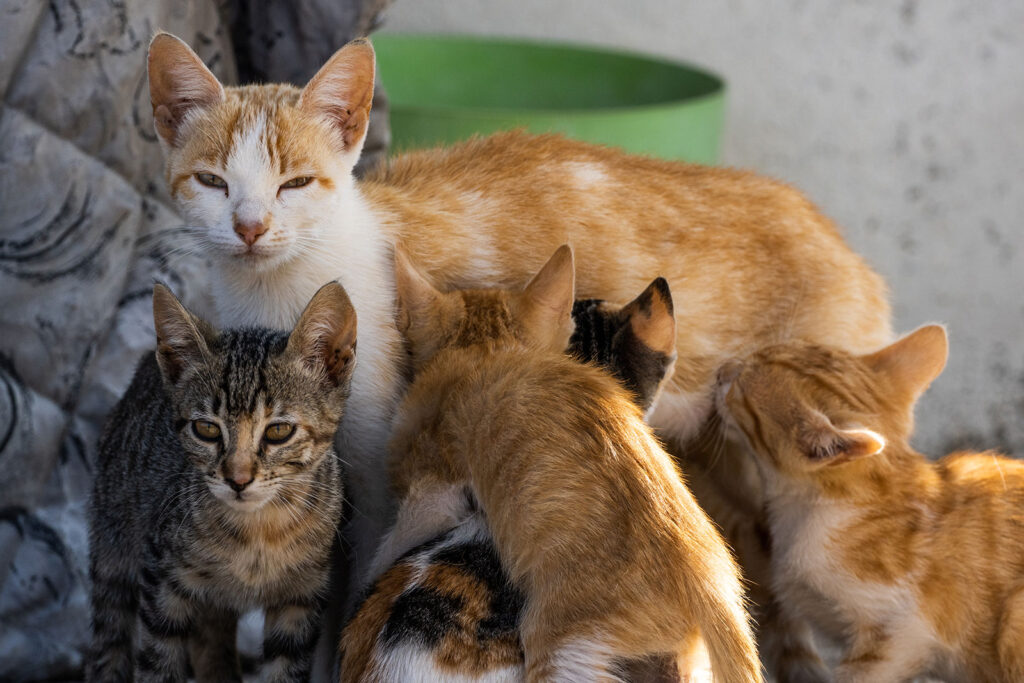
Clarksville and Montgomery County are growing fast. New neighborhoods, new apartments, more people. But one thing that doesn’t magically keep up with growth is animal welfare resources. That’s part of why Cats Meow TNR exists: outdoor cats multiply quickly, and without a plan, shelters and animal control end up overwhelmed.
That’s where TNR (Trap-Neuter-Return) comes in. It’s a humane, common-sense method: cats are humanely trapped, spayed or neutered, vaccinated, and then returned to where they were found. The ASPCA supports TNR as a humane and effective approach for community cats.
The “return” part is important, because these cats already live there. When you remove cats from an area, new cats often show up to take their place. With TNR, you keep the colony stable and stop the population from growing. Once cats are fixed, you usually see fewer of the behaviors that bother people the most: fighting, loud yowling, spraying, roaming. Those behaviors are driven by mating instincts, so sterilization takes the intensity down over time.
TNR also helps shelters. When unowned outdoor cats are brought into shelters, it can be hard to place them, and that strains space and staff. The ASPCA notes that community cats are often a big part of shelter euthanasia numbers in many communities, and TNR is a proven alternative.
Bottom line: in a community like ours, prevention is the most humane option. TNR doesn’t just “help cats.” It reduces suffering, lowers pressure on the local system, and keeps the problem from exploding year after year.